
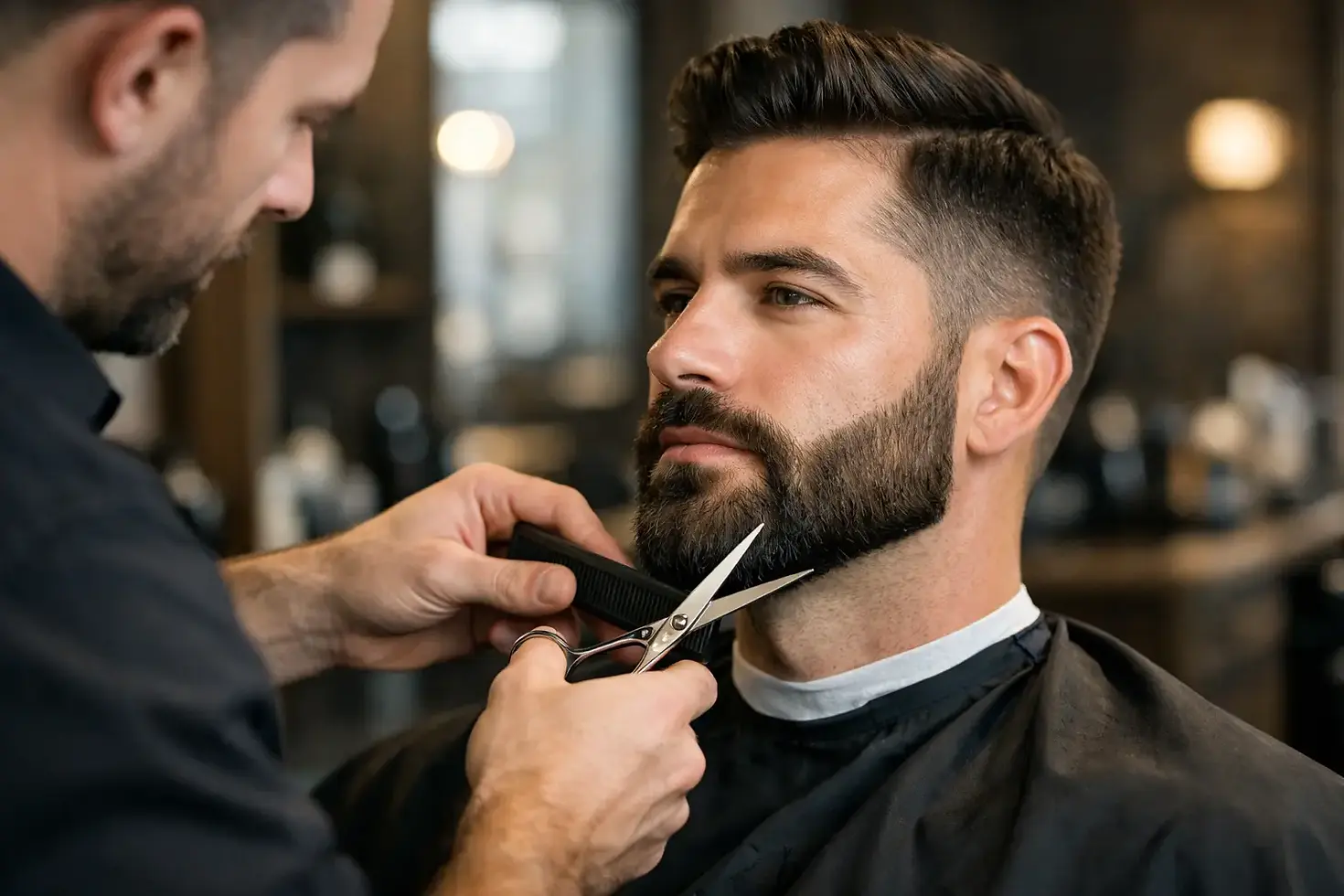
Vancouver Beard Shaping That Looks Intentional
A beard can be full, healthy, and still look unfinished. The difference is usually not more growth. It is structure. Professional Vancouver beard shaping gives the beard a clear outline, balances it with your haircut, and makes the whole look feel considered rather than accidental.
That matters whether you wear close stubble, a short boxed beard, or something with more length. A strong shape should work from the chair to the office, dinner, the gym, and the next morning. It should also grow out well, without demanding that you redraw every edge in the mirror.
Vancouver Beard Shaping Starts With Your Face
There is no single beard outline that suits every man. The right shape depends on face structure, beard density, growth direction, hair texture, and how much time you are willing to spend maintaining it. The goal is not to chase a trend. It is to build a beard that supports your features.
A rounder face often benefits from controlled length through the chin and cleaner sides. This can create a more defined, balanced profile. For a longer or narrower face, keeping more width at the sides while avoiding excessive chin length can prevent the beard from pulling the face downward.
Square faces already carry strong angles, so a barber may soften the corners slightly while keeping the lines crisp. If your jawline is less pronounced, the beard can be shaped to add structure without creating an overly sharp, artificial outline. Good beard work is precise, but it should not look painted on.
Density matters just as much as face shape. A thick beard can support a stronger silhouette and more deliberate graduation. Patchier growth may look better kept shorter, with weight removed strategically so sparse areas do not become the focus. This is where an in-person consultation earns its value. A skilled barber works with the beard you have, not the beard you think you are supposed to grow.
The Lines That Define a Clean Beard
The cheek line, neckline, sideburn connection, and moustache are the key decisions in any beard shape. They need to work together. Focusing on one line while ignoring the others is how a beard starts to look disconnected.
The cheek line
The cheek line can be natural and soft or cleanly defined. It depends on your growth pattern and the style you want. Men with dense upper-cheek growth often benefit from a tidy, natural-looking curve that removes stray hairs without taking the line too low.
Going too low is a common mistake. It may look sharp immediately after trimming, but it can make a full beard appear narrower and less substantial. A well-set cheek line should enhance the beard's natural coverage, not erase it for the sake of symmetry.
The neckline
The neckline is where many at-home beard trims go wrong. Shaving too high under the jaw creates a floating effect, leaving the face with less balance and the beard with less presence. Leaving the neck entirely untouched, however, can make even a strong beard look untidy.
A proper neckline usually sits below the jaw rather than directly on it. Its exact placement changes with beard length, neck shape, and facial proportions. Short beards generally need a cleaner neckline. Longer beards can carry a slightly lower, softer transition because the added bulk needs room to sit naturally.
The sideburn transition
Your beard and haircut should look like one plan. A faded haircut may call for a gradual blend through the sideburns, while a longer classic cut can suit a more defined connection. Neither is automatically better. The right choice depends on the contrast you want between the hair and beard.
This detail is especially important when your haircut is fresh. An awkward sideburn transition can interrupt an otherwise clean fade or make a polished cut feel unfinished. At Pintor Barber, beard shaping is approached as part of the complete grooming result, not as an add-on done in isolation.
The moustache
The moustache sets the expression of the beard. When it hangs over the lip or grows unevenly into the corners of the mouth, the whole shape can appear less refined. A trim along the lip keeps it clean, while the weight and width can be adjusted to suit the rest of the beard.
A fuller moustache can add character to a short beard. A more restrained moustache can keep a dense beard from feeling too heavy. The right call comes down to your natural growth and how formal or relaxed you want the final result to feel.
Shape, Length, and Maintenance Must Work Together
A beard shape is only successful if you can keep it looking good between appointments. This is where many men choose a line that is too aggressive for their routine. A razor-sharp cheek line and tight neckline can look excellent, but both reveal regrowth quickly. If you do not enjoy frequent maintenance, a softer, natural edge may be the better long-term choice.
Short beards require regular attention because even a few days of uneven growth can change the outline. Medium and longer beards need less frequent line work, but more care with bulk, dryness, and direction. Length alone does not make a beard look fuller. Controlled weight does.
Your barber can remove bulk from the areas that flare out, preserve density where it improves the profile, and create a shape that sits properly when dry. This is an important distinction. A beard that looks good immediately after being combed and oiled should still hold its form when you are moving through a normal day.
At home, keep the routine simple. Wash the beard as needed without stripping it, dry it fully before judging its shape, and use a brush or comb to direct the hair where it belongs. Beard oil can help soften coarse hair and reduce dry skin beneath it. A balm may offer more hold for longer beards, but too much product can make even a clean shape look heavy.
Avoid using a high-powered trimmer to make major changes when the beard is already uneven. This is often how a small correction becomes a month of regrowth. If a few hairs sit outside the established line, deal with only those. Save changes to the neckline, cheek line, or overall length for your barber.
When to Book a Beard Shape-Up
The right schedule depends on your growth rate and the look you want to maintain. Men who prefer close stubble or a sharply defined short beard may benefit from an appointment every one to two weeks. A medium beard often holds its shape for two to four weeks. Longer beards may need less frequent outlining, while still benefiting from periodic reshaping to prevent bulk from building in the wrong places.
Consider booking when the jawline has lost definition, the moustache is becoming difficult to manage, the sides are beginning to widen, or your beard no longer connects cleanly to your haircut. You do not need to wait until it feels out of control. Regular maintenance keeps the process focused on refinement instead of repair.
For men growing a beard out, shaping is still useful. The goal is simply different. Rather than taking off length, a barber can protect the areas you are building while cleaning the edges and managing the awkward stages. Growing a beard does not mean leaving it alone for months. It means making careful decisions about what stays.
A Better Beard Should Feel Like Yours
The best beard shape is not the one that looks most dramatic in a photo. It is the one that suits your face, fits your haircut, and stays credible when you are not standing under barbershop lighting. It should feel intentional without feeling overworked.
Bring a clear sense of what you like, but leave room for professional direction. A small adjustment to the neckline, sideburn blend, or beard length can change how your whole profile reads. When the shape is built around you and maintained with discipline, a beard becomes one of the strongest parts of your everyday presentation.


Comments