

Are Fade Haircuts Professional at Work?
A fade can look sharp in a boardroom, a client meeting, or a creative studio. So if you’re asking, are fade haircuts professional, the honest answer is yes - when the cut is done well, matched to your workplace, and maintained properly. The question is less about whether a fade is acceptable and more about which fade makes sense for how you show up.
That distinction matters. A great haircut should support your presence, not compete with it. If your hair looks clean, intentional, and well-balanced, most people read it as professional. If it looks overstyled, neglected, or too extreme for the setting, that is where problems start.
Are fade haircuts professional in most workplaces?
In most modern workplaces, yes. Fade haircuts have become part of the standard men’s grooming landscape because they offer clean structure and controlled shape. They keep the sides neat, frame the face well, and can be tailored to look conservative or more fashion-forward depending on the height and contrast.
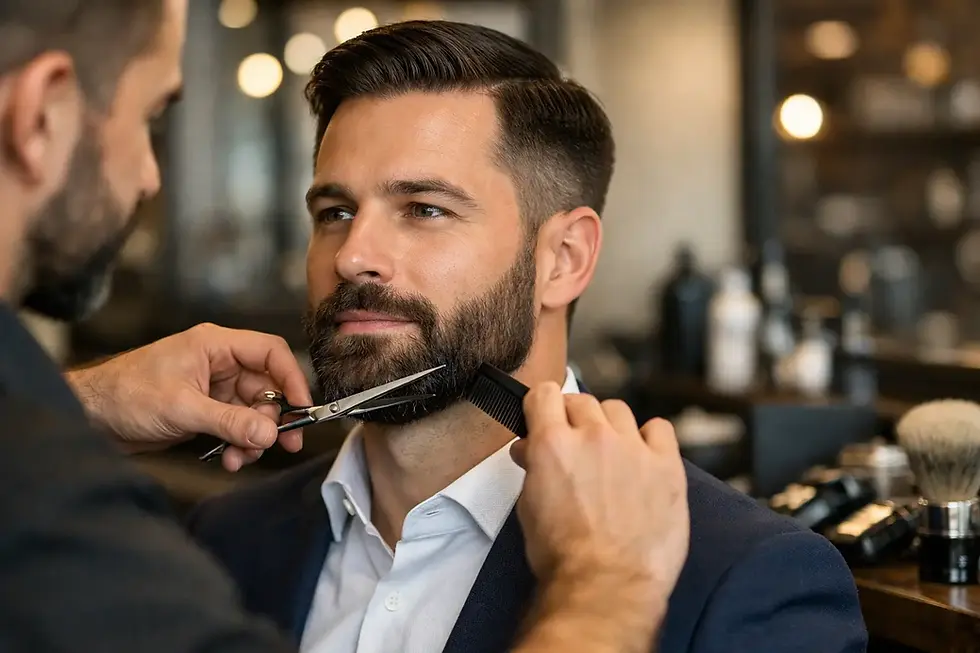
A low fade with a tidy side part, textured crop, short pompadour, or classic crew cut usually reads as polished and professional. It shows attention to detail without drawing too much attention to itself. That balance is what many men want - a haircut that feels current but still appropriate.
Where it gets more situational is in traditional corporate environments, legal settings, formal finance roles, or positions where appearance carries a very conservative expectation. In those cases, the fade should be subtle. You can still wear one, but the blend should be softer, the transition lower, and the overall shape cleaner.
In more relaxed offices, sales roles, hospitality, tech, design, and many self-employed professions, there is often more room for a stronger fade. Even then, sharp does not mean severe. A haircut can still have personality without losing its professional edge.
What makes a fade look professional?
A professional fade is defined by restraint, precision, and consistency. It is not just about how short the sides are. It is about how the haircut works as a whole.
The first factor is the blend. A proper fade should transition smoothly from shorter hair at the base into more length above. Harsh lines, uneven weight, or patchy graduation tend to make the cut look unfinished. Even people who know nothing about barbering can see when a fade looks clean versus when it looks off.
The second factor is proportion. The fade needs to suit your head shape, hair density, and the style on top. High contrast can look excellent on the right person, but not every face benefits from skin-tight sides with a lot of length above. A more balanced fade often appears more mature and more refined.
The third factor is maintenance. A fresh fade always looks stronger than one that has grown out unevenly. That does not mean you need constant appointments, but it does mean professional fades reward regular upkeep. If your neckline is fuzzy, the temples have lost definition, and the blend is no longer visible, the haircut starts to lose the quality that made it look polished in the first place.
Low, mid, or high fade - which one feels most professional?
This is where nuance matters.
Low fade
For most men, the low fade is the safest and most versatile option. It starts lower around the ears and neckline, which keeps the look clean without pushing too much contrast. It works well in offices, interviews, and client-facing roles because it feels controlled and understated.
A low fade also grows out more gracefully than a high fade. If you want a haircut that looks strong in week one and still respectable in week three, this is often the right choice.
Mid fade
The mid fade sits in the middle ground. It is more visible than a low fade but still easy to wear professionally when the top is styled with discipline. This is a strong option for men who want a modern look without going too aggressive.
It pairs well with short textured styles, side-swept looks, and neat curls. In many workplaces, a mid fade strikes the right balance between sharp and approachable.
High fade
A high fade makes more of a statement. It removes more weight from the sides and creates stronger separation between the top and the fade. That can look excellent, but it is usually the least conservative option.
Is it professional? It can be. But it depends heavily on the role, the overall styling, and how crisp the haircut is. In a casual or style-conscious environment, a high fade may look confident and current. In a more formal setting, it may feel too bold unless it is paired with a short, tidy top and kept exceptionally clean.
Skin fade versus taper - what is better for work?
A skin fade can absolutely be professional, but it comes with more contrast and more maintenance. Because the hair goes down to the skin, the effect is sharper and more noticeable. Some men like that clean finish. Others find it a bit strong for their work environment.
A taper is often the quieter option. It keeps length on the sides while gently tightening the hairline and sideburn area. If you want a business-ready haircut that looks neat but less dramatic, a taper or very low fade is often the better fit.
This is one of the most common misconceptions in grooming - that shorter automatically means more professional. It does not. Clean execution matters more than going ultra-short. A softer taper done properly can look more executive than a harsh skin fade that does not suit the person wearing it.
Your industry matters more than the haircut trend
One man’s ideal professional haircut is another man’s wrong fit. A project manager, realtor, chef, designer, tradesman, and lawyer may all define polished a little differently.
If your day involves conservative clients, formal dress, or leadership visibility, lean toward a lower fade, natural texture, and a shape that stays close to classic. If your environment is more flexible, you can likely wear a stronger fade without issue, especially if the rest of your grooming is clean.
It also depends on your level of authority. Once you are established in your role, you may have more room to wear a style with personality. If you are interviewing, meeting new clients, or trying to make the safest first impression, it is usually smart to keep the fade subtle.
Professional style is really about reading the room while still looking like yourself.
Are fade haircuts professional for interviews?
Yes - if the haircut looks intentional and not distracting. Interviews are one place where moderation pays off. You want the interviewer to notice that you are put together, not fixate on the haircut itself.
A low or mid fade with a clean neckline and natural finish on top is usually a strong choice. Avoid anything too extreme right before an interview, especially if you are unsure of the company culture. A cut that feels timeless will almost always serve you better than one that leans too hard into trend.
It helps to think of grooming as part of communication. A clean fade says you take care of yourself and pay attention to detail. That is a good message in almost any interview setting.
The styling on top changes the answer
Two men can have the same fade and give completely different impressions based on what happens above it.
A fade paired with a neat crop, side part, slick back, or controlled natural texture usually reads as professional. A fade paired with unkempt bulk, heavy product buildup, or an overly dramatic shape can lose that polished feel fast.
This is why consultation matters. The sides may be faded, but the top carries a lot of the haircut’s personality. The right barber will look at your hair type, growth pattern, and routine, then build a cut that fits your real life. If you want to spend two minutes styling your hair before work, the haircut should support that. If you enjoy putting in more effort, there is room for more shape and definition.
So, are fade haircuts professional or not?
Yes - for most men, in most settings, they are. But the most professional fade is not always the shortest or boldest one. It is the one that suits your workplace, your face, your routine, and the standard you want to hold for yourself.
A good fade should make you look sharper without feeling forced. It should work with your day, not just with your mirror. If you are unsure where to start, ask for a lower, softer version and build from there. That usually gives you the clean look people want from a fade while keeping the finish polished, modern, and easy to wear.
The best haircut is the one that helps you walk into work looking prepared, confident, and fully put together.


Comments