

Beard Trim: Shape, Balance and Lasting Style
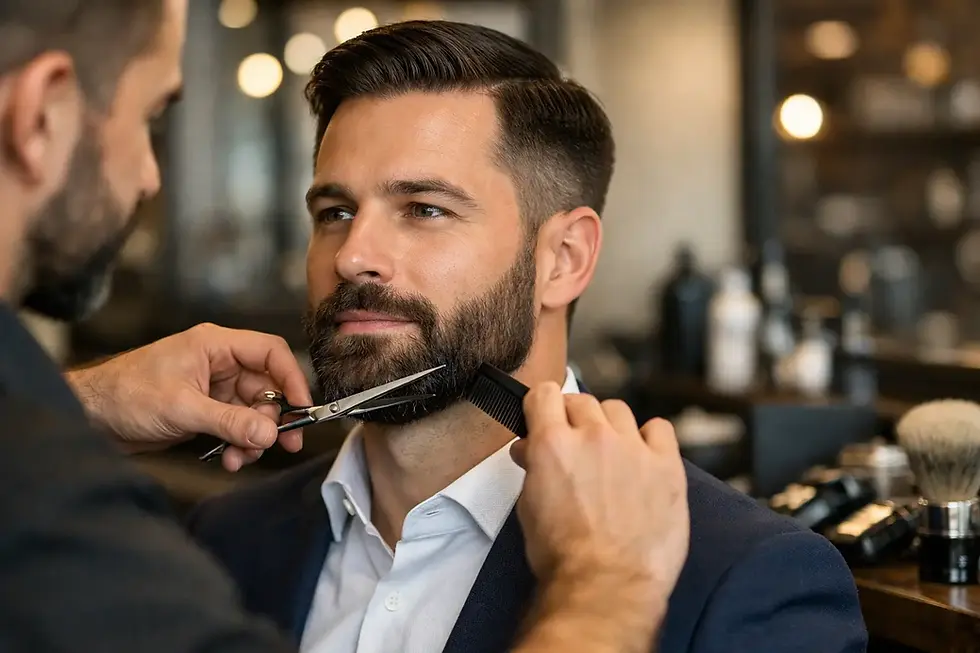
A beard can make a strong first impression, but only when its shape looks intentional. A proper beard trim is not simply about taking length off. It is about building clean lines, creating balance with your haircut, and making sure your beard suits your face, density, and daily routine. The difference is visible in the details: a neckline that sits in the right place, a moustache that does not cover the lip, and cheek lines that look natural rather than overly carved.
For men who care about looking put together at work, on a date, or through a busy Vancouver week, beard maintenance is part of the same standard as a clean haircut. It should feel considered, not fussy.
What a Professional Beard Trim Actually Does
A good beard trim starts with a consultation, even when you have worn the same facial hair for years. Your barber looks at growth patterns, patchier areas, curl, density, jaw structure, and how your beard connects to your sideburns and haircut. Those factors determine whether a fuller shape, tighter outline, softer taper, or more structured finish will serve you best.
Length is only one part of the job. A beard that is long but uneven can make the jawline look less defined. A beard that is cut too short around the chin can lose its strongest feature. The goal is to retain enough weight where it helps, remove bulk where it distracts, and make the shape look right from the front and side.
This is why a beard trim can improve even a beard that is being grown out. Trimming does not have to mean starting over. Strategic detailing can remove split ends, control flyaways, and maintain the outline while allowing the overall length to keep progressing.
The Details That Make a Beard Look Sharp
The neckline
The neckline is where many at-home trims go wrong. Taking it too high can make the beard look disconnected from the face, while leaving it too low can create an untidy, heavy appearance under the chin. The right line generally follows the natural transition between the jaw and neck, but it should be adjusted to your profile and the fullness of your beard.
A clean neckline gives the beard structure without making it look drawn on. It also keeps the look polished as stubble begins to return between appointments.
The cheek line
Some men have naturally strong cheek growth. Others have a softer or more uneven pattern. Neither is a problem, but the approach should be different. A high, natural cheek line can be lightly cleaned for definition. A sparse cheek line usually benefits from restraint, since chasing a dramatic angle may remove density you need.
The best cheek line does not follow a trend. It works with the hair you actually grow and looks believable from every angle.
The moustache and lip line
A moustache that hangs over the upper lip changes the entire finish of a beard. It can look heavier than intended and gets in the way of eating, drinking, and speaking comfortably. A precise trim along the lip creates a cleaner appearance while preserving the fullness of the moustache itself.
Whether you prefer a connected moustache, a fuller beard, or a more distinct style, the balance matters. The moustache should support the beard, not overpower it.
The transition into your haircut
Your beard and haircut should look like they belong together. This is especially true with fades, where the sideburn area needs a controlled transition rather than an abrupt stop. A clean taper from the temple through the sideburn can make the whole profile look more refined.
If you wear longer hair or a classic business cut, the blend may be softer. There is no single formula. Your barber should tailor the connection to the haircut, beard length, and the amount of contrast you want.
Choosing the Right Beard Shape for Your Face
Face shape is useful guidance, but it is not a set of rules. Beard density, hair texture, and personal style all matter just as much. Still, a few principles can help you make better choices.
A rounder face often benefits from controlled length through the chin and less width at the sides. That creates a more defined, vertical impression. A longer or narrower face may look more balanced with a little more fullness through the sides, rather than extra length below the chin.
A strong square jaw can carry a close, structured beard well, though overly sharp corners can sometimes make the face look too severe. Softer shaping at the edges can keep the look confident without making it rigid. If your jaw is less pronounced, a fuller beard with careful chin definition can add visual structure.
The practical question is not, “What beard is trending?” It is, “What shape makes my features look their best and still fits how I want to show up?” A barber can help answer that in a way a mirror and a trimmer guard cannot.
How Often Should You Book a Beard Trim?
The right schedule depends on your beard style and how crisp you like the finish. A short beard with defined lines often needs attention every two to three weeks. Once the outline starts growing out, the beard can look less intentional even if the overall length is still right.
Medium and longer beards can often go three to five weeks between full trims, provided you maintain the neckline, moustache, and basic grooming at home. If you are growing a beard out, regular professional shaping every four to six weeks can protect the direction of the style without sacrificing progress.
Growth rate matters, but so does your work and lifestyle. Someone in client-facing meetings may prefer sharper lines more frequently. Someone with a fuller, more natural beard may choose a longer interval. Consistency is more valuable than waiting until the beard feels out of control.
Maintaining Your Beard Between Appointments
Home maintenance should support the shape your barber creates, not replace it. Wash your beard regularly with a gentle beard cleanser rather than harsh body soap, which can leave the skin beneath dry and uncomfortable. Pat it dry, then use a small amount of beard oil or moisturizer if your skin feels tight or the hair looks dull.
Brush or comb your beard in the direction it naturally grows. This helps reveal uneven areas, trains longer hairs into place, and prevents product from sitting only on the surface. For a fuller beard, a beard balm can add light control and reduce the rough, puffed-out look that often appears in dry weather.
Be cautious with your trimmer. Cleaning an obvious stray hair or lightly maintaining the lip line is reasonable. Rebuilding your neckline from memory is where mistakes happen. One uneven pass can change the proportions of the beard, and correcting it may require taking more length off than you planned.
If you use a blow dryer, keep the heat moderate and use it with a brush or comb. High heat can dry the hair and irritate the skin underneath. For curly or coarse facial hair, this step can help create a neater shape, but it should not force the beard into an unnatural finish.
What to Ask for During a Beard Trim
Clear communication gets better results. You do not need barber terminology, but it helps to explain what you like and what you want to change. Tell your barber whether you are maintaining length, growing it out, reducing bulk, sharpening the lines, or trying to make your jaw look more defined.
Photos can be useful, especially when you are changing styles, but they should be treated as reference rather than a promise. The person in the photo may have different density, curl pattern, face shape, and growth direction. A skilled barber can translate the overall look into a version that works for you.
It is also worth mentioning how much upkeep you are willing to do. A highly sculpted beard can look excellent, but it asks for more frequent line maintenance. A softer, natural outline may be easier to live with while still looking professional. The right choice is the one you can maintain confidently.
When It Is Time for a Reset
Sometimes a beard does not need another small cleanup. It needs a reset. Uneven growth, dry ends, weak proportions, or a shape that no longer suits your haircut can all be signs that it is time to reassess. This does not always mean going short. It may mean removing excess weight from the sides, restoring the neckline, or changing the balance at the chin.
At Pintor Barber in Kitsilano, beard work is approached with the same attention to detail as a precision cut or fade. The aim is a finish that looks clean in the chair and continues to work when you return to your routine.
Your beard should not feel like an afterthought. Keep the shape honest, maintain the lines with restraint, and let a skilled trim do what at-home guesswork rarely can: make your facial hair look like it was meant to be there.


Comments