

How to Style a Business Haircut That Holds Up
- barbershopseo
- 11 minutes ago
- 6 min read
A business haircut should look intentional at 8 a.m. and still hold its shape when your day runs long. Knowing how to style a business haircut is less about using more product and more about understanding your cut, hair type, and the finish that suits the way you work.
A clean side part, textured crop, classic taper, or longer scissor cut can all read as professional. What separates a sharp result from a rushed one is control: balanced volume, a natural hairline, and a finish that looks polished without appearing stiff. Start with a strong cut, then build a routine that is easy to repeat at home.
Start With a Cut That Supports Your Style
Styling gets much easier when the haircut has the right shape underneath it. A good business cut should account for your growth patterns, density, face shape, and how much time you genuinely want to spend in front of the mirror each morning.
If your hair grows forward at the crown, forcing a high, swept-back style may mean constant effort. If you have thick, coarse hair, a barber may remove weight so it sits cleanly rather than expanding at the sides. Finer hair often benefits from a little length and texture through the top, which creates the appearance of fuller hair without heavy product.
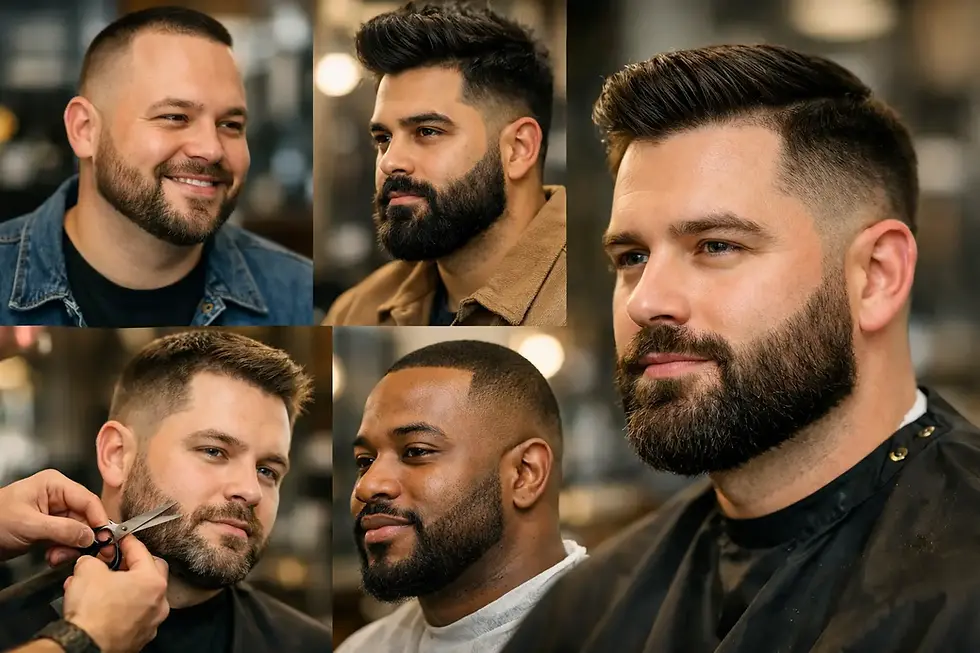
The sides matter as much as the top. A low taper or classic scissor finish usually gives a softer, more traditional business look. A mid fade can feel cleaner and more modern, especially if you keep the top structured. Neither is automatically better. The right choice depends on your workplace, personal style, and how quickly you want the cut to grow out.
At your next appointment, explain how you normally wear your hair, whether you wear a hat, how often you shampoo, and how much styling time you have. Those details help your barber create a cut that performs beyond the chair.
How to Style a Business Haircut From the Ground Up
The strongest styles begin when hair is damp, not soaking wet. After showering, towel-dry gently until the hair feels workable. Rubbing aggressively can rough up the cuticle and create unnecessary frizz, particularly with wavy or dry hair.
Apply a small amount of pre-styling product if you need extra volume, smoother texture, or heat protection. For most men, a light styling cream, sea salt spray, or volumizing tonic is enough. Use less than you think you need. You can always add more, but overloading damp hair makes it harder to achieve a natural finish.
Blow-dry with direction, not force
A hairdryer is one of the most useful tools for a business haircut because it sets the shape before your finishing product goes in. You do not need salon-level technique. You do need a clear direction.
For a side part or comb-over, dry the hair from the part across the head, guiding the front slightly back and to the side. For a textured crop, dry the top upward and forward with your fingers for controlled lift. If you wear your hair back, direct airflow from the forehead toward the crown while using a brush or comb to keep the shape close to the head.
Keep the dryer moving and use medium heat where possible. High heat can work quickly, but repeated use without protection may leave hair dry and harder to control. Finish with a brief cool shot to help the style settle.
Choose a finish that matches your hair
The right product should support the cut rather than announce itself. A business hairstyle rarely needs extreme shine, excessive hold, or a visibly greasy finish. Think of product as refinement.
Matte clay or paste suits short to medium hair, textured crops, and modern side-swept styles. It provides grip with a low-shine finish.
Cream works well for medium-length hair, waves, and softer scissor cuts. It controls flyaways while keeping movement in the hair.
Pomade is a strong choice for classic side parts and slicker styles. Water-based formulas are often easier to wash out and restyle.
Fibre or wax gives separation and flexible hold for thicker hair. Use it sparingly, as too much can make dense hair look heavy.
Warm the product fully between your palms before applying. Start at the back and sides, then work what remains through the top. This prevents the front from becoming overloaded, which is one of the most common reasons a style collapses or separates unnaturally through the day.
Shape first, then refine
Use your hands for a relaxed, textured finish and a comb for a more formal line. If you are creating a part, find the natural split in your hair rather than drawing an artificial line too far to one side. A natural part stays in place with less product and looks more convincing as the day goes on.
For a classic business style, keep the silhouette balanced. The top should have enough lift to look deliberate, but not so much that it becomes disconnected from the sides. Check the profile and back with a second mirror. A style can look excellent from the front while carrying too much bulk at the crown or behind the ears.
Adjust the Routine to Your Hair Type
Straight, fine hair often needs lift before hold. Focus on blow-drying at the roots, then use a lightweight matte product. Heavy pomades and oils can flatten fine hair within an hour.
Thick hair generally needs control and separation. Blow-drying helps direct it, while clay, fibre, or cream can keep it from pushing outward. If your hair becomes bulky soon after a cut, that is usually a shape issue rather than a product issue. Ask for weight removal or a more tailored blend at your next visit.
Wavy or curly hair should not be styled into submission. A professional look can still have natural texture. Use a moisturizing cream or curl-friendly styling product, apply it evenly through damp hair, and avoid brushing it once dry. The goal is definition and clean edges, not turning waves into stiff, straight hair.
Receding temples or a cowlick call for a more considered approach. Avoid piling height directly over a stubborn cowlick, and do not force hair forward if the hairline naturally wants to open. A side-swept style, soft texture, or short crop often looks stronger because it works with your hair instead of fighting it.
Keep It Sharp Between Appointments
A business haircut loses its structure gradually. The neckline softens, sideburns grow unevenly, and weight builds around the temples. A consistent schedule helps you avoid the point where styling becomes a daily rescue mission.
Most short business cuts look their best with regular maintenance every three to five weeks. Longer scissor styles can often go a little longer, provided the shape has been built well. Your ideal timing depends on how tight you like the sides and how quickly your hair grows.
Daily care also matters. Shampooing too often can dry the scalp and make hair harder to manage, especially during Vancouver's cooler, wetter months. For many men, shampooing a few times a week and conditioning as needed is enough. Rinse after workouts, use a clean towel, and avoid sleeping with a heavy layer of product still in your hair.
If you wear a beard, keep its shape aligned with the haircut. A neat taper at the sideburn, a clean cheek line, and a beard length that suits your face create a more complete result. The haircut does not need to match the beard exactly, but both should look intentional.
Small Mistakes That Undercut a Good Cut
The biggest mistake is applying product to hair that is still too wet. The product slides around instead of gripping, and the style dries unevenly. The next is using too much. A pea-sized amount is a sensible starting point for most short to medium styles.
Another common issue is changing direction halfway through styling. Decide whether your hair is going forward, up, back, or across before you start drying it. Consistent direction builds control. Finally, do not chase a photo that ignores your own hair type. Use reference images to communicate the general finish you want, then let the cut be adapted to your features and routine.
A well-styled business haircut should make getting ready feel straightforward. When the cut is right, the product is suited to your hair, and the technique is consistent, you can leave the house looking composed without making grooming the longest part of your morning. For a tailored cut and practical styling advice, a skilled barber can help you build a look that works as hard as you do.


Comments